Genel – Page 3 – Prof. Dr. Suleyman TAS
View real patient results! Click Here
Online Booking / Schedule Yours Today

Genel

Is The Cheapest Rhinoplasty In Turkey?

Is The Cheapest Rhinoplasty In Turkey?

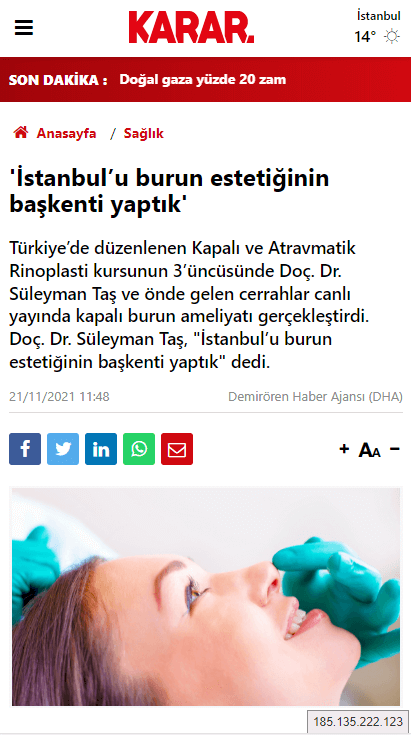
Rhinoplasty is the most popular type of plastic surgery among aesthetic operations. Sometimes it is performed to treat deformities in the nose, functional disorders that cause breathing difficulties, and sometimes deformations that occur during an accident.

What is Rhinoplasty?

Rhinoplasty is a surgical procedure performed to reshape the nasal skeleton. Rhinoplasty can change the shape and size of your nose, while sometimes improving its function. Rhinoplasty can be preferred to harmonize the shape of the nose with the face and improve breathing function. Rhinoplasty, which can be preferred as aesthetic rhinoplasty and functional rhinoplasty according to the needs, is performed by plastic surgeons.

Rhinoplasty In Turkey

Turkey has recently become one of the best options in the world for rhinoplasty surgery. Turkey, which frequently announces its name by taking its place among the first 3 countries in the world in medical tourism, is known for its experienced surgeons and very high success rate in rhinoplasty. Dec. In addition to its expert staff and experience, Turkey promises a comfortable process to its patients with services such as accommodation, meals, consultation fees, and excursions in and around Turkey.

Rhinoplasty Prices In Turkey

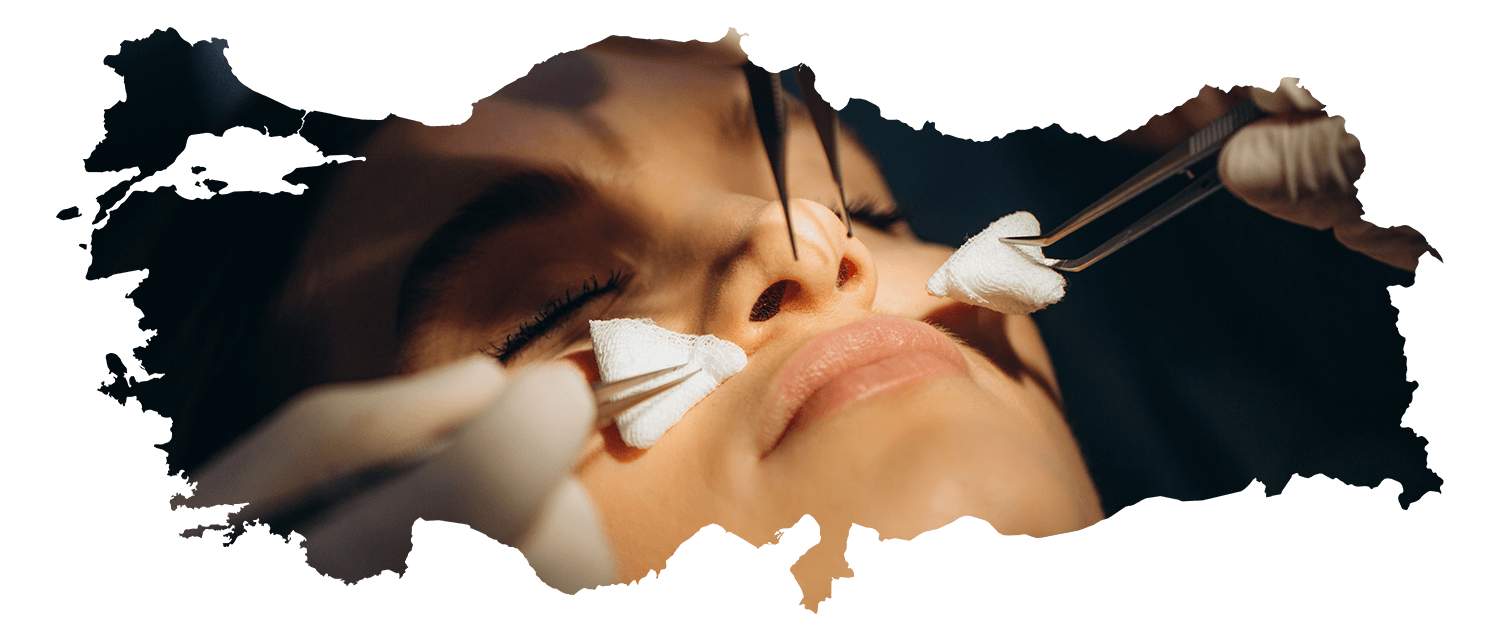
Rhinoplasty prices in Turkey vary according to the patient’s needs and expectations from the process. For this reason, the medical consultation that the patient will undergo before the operation will be decisive for rhinoplasty prices in Turkey. In addition, the most important thing that can be said is that the cost of rhinoplasty in Turkey is approximately 50-70% less than in Europe, along with being all-inclusive (4-5 star hotels, transportation, and follow-up services).
Factors Affecting Rhinoplasty Prices in Turkey

  1. The Area Where the Nose Surgery Is Performed
  2. Type of Nose Surgery (Revision – Septoplasty …)
  3. The Hospital / Clinic Where the Operation Will be Performed
  4. The Experience of the Team That will Perform Rhinoplasty
  5. Technique Used (Open Rhinoplasty – Closed Rhinoplasty)
  6. Experience of the Surgeon Performing Rhinoplasty – Success Rate
  7. Opportunities Offered to the Patient during the Rhinoplasty Process

In order to examine the relationship between the quality and prices of rhinoplasty in Turkey in detail, How Can Dr. Suleyman Tas Offer the Best Results at Such an Affordable Price? you can review our content named.

Advantages of Rhinoplasty in Turkey

Affordable Cost: Turkey offers superior services in the field of medical tourism. In addition to the services it offers, rhinoplasty costs in Turkey are extremely affordable compared to the USA or the UK. Being a nose aesthetic surgeon in Turkey offers the same quality and a much more economical service experience compared to other European countries.

First-Class Care: Rhinoplasty clinics and hospitals in Turkey offer the best care to patients with first-class technology before, during, and after the procedure. Rhinoplasty surgery is performed in fully equipped facilities and you are greeted by friendly doctors, nurses, and interpreters who are willing to help you in this process.

The Best Rhinoplasty Experts: Rhinoplasty surgeons in Turkey are specialists who have provided superior quality service to patients from all corners of the world. For this reason, they have lots of patient experience and are experts in understanding what patients want.

An Unforgettable Trip: Turkey is a great country to visit, in addition to being one of the top choices for rhinoplasty surgery. Turkey; With its many historical places, magnificent cuisine, and natural tourist areas, it allows you to have an unforgettable experience.

Is It Safe to Have Rhinoplasty in Turkey?

Rhinoplasty is one of the most successful surgical operations performed in Turkey. In addition to its experts and highly experienced specialists in the field of rhinoplasty, it also provides a safe and comfortable area for patients due to the opportunities provided for health tourism.

How to Choose the Best Rhinoplasty Surgeon in Turkey?

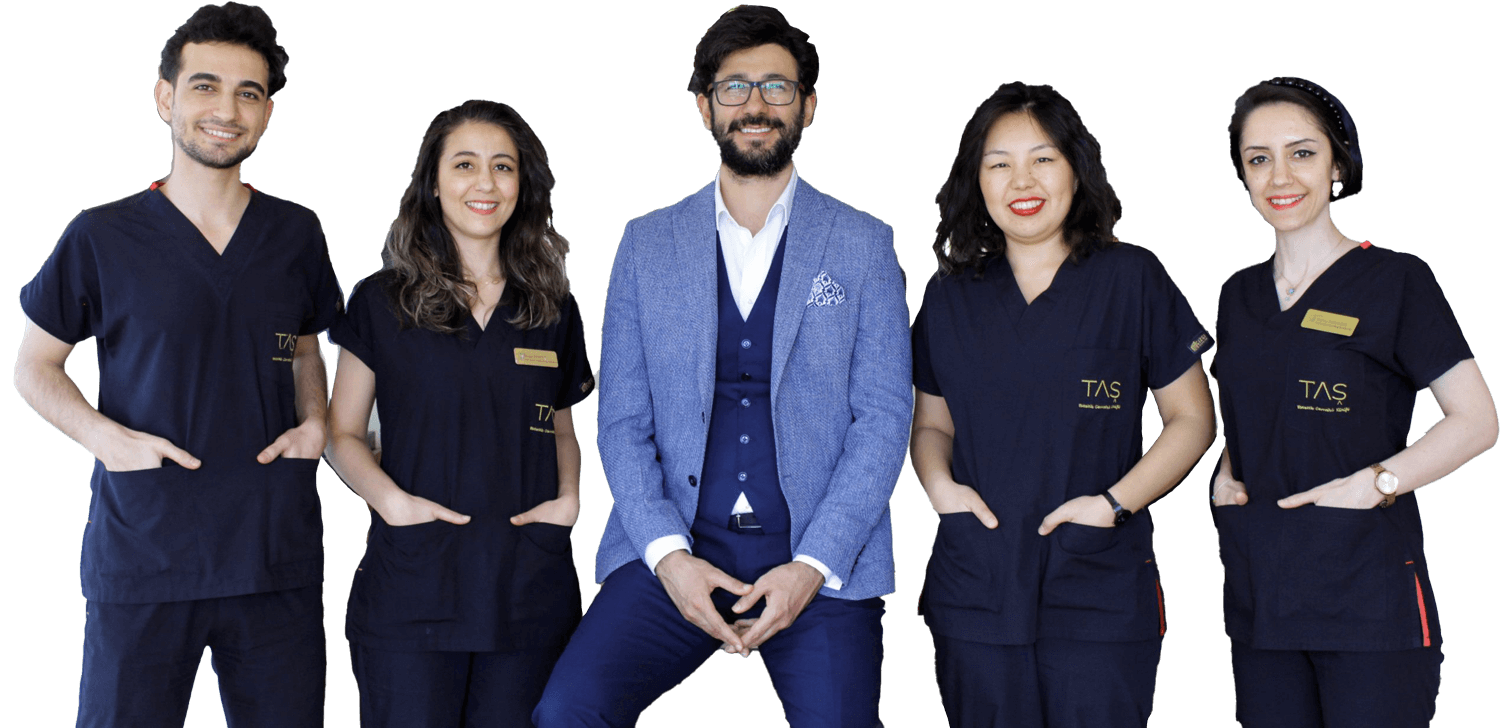
Rhinoplasty in Turkey is an aesthetic operation with a very high success rate. The main factor of this success is the rhinoplasty surgeons, who are known for their experience and competence. There are some points to be considered when choosing a surgeon for rhinoplasty surgery in Turkey.
Things to Consider When Choosing a Rhinoplasty Doctor in Turkey

  1. It should be taken into account whether the clinic is accredited or not.
  2. It should be taken into account that he has extensive experience in the field of rhinoplasty.
  3. The quality of the rhinoplasty operations performed should be confirmed.
  4. He must answer all questions about the process.
  5. After the operation, detailed follow-up service should be performed.

For detailed information about rhinoplasty in Turkey and rhinoplasty prices in Turkey, you can review our Rhinoplasty in Istanbul page; you can contact us.

Tips to Speed Up Recovery After Rhinoplasty

The nose is one of the most important factors affecting a person’s facial features. For this reason, although rhinoplasty is one of the most preferred types of aesthetic operations, it usually leaves a question mark in the minds of patient candidates due to the healing process.

Healing after rhinoplasty usually takes between 2-3 weeks. For events such as bruising or swelling that are likely to occur during this time to heal quickly, you should follow your doctor’s recommendations to the letter. In addition to your doctor’s recommendations for a quick recovery process, we have listed some tips for you.

1. Listen to Your Body

In addition to the controls of your plastic surgeon, it is very important that you listen to yourself during this process. It is necessary to define your process and define how you feel about yourself; it is necessary to report any problem to your doctor quickly.

2. Reduce – Quit Smoking

Smokers have very high levels of toxins in their bodies, such as nicotine and carbon monoxide. This, in turn, can cause our blood circulation to slow down after nose surgery and increase the risk of infection. In addition, an increase in the level of carbon monoxide in the blood, which combines with hemoglobin and limits the ability of the blood to deliver oxygen to the cells, reduces the ability of the blood to carry oxygen to the cells, and the healing time of wounds is indirectly prolonged. Therefore, it is recommended to quit smoking, especially 2-3 weeks before and after surgery for good. For detailed information on the subject, check out our content on Smoking and Alcohol Consumption After Rhinoplasty.

3. The Rule of 3-4 Weeks For Sexuality

Avoiding all the activities that will tire you after rhinoplasty for a certain period will positively affect your recovery process. Besides, according to the results of your doctor’s examination, it is recommended that you give a break to sexual intercourse for 3 to 4 weeks after the operation.

4. Keep Your Head High

Lying on your side after rhinoplasty may cause additional bruising and swelling and may cause your nose structure to move. For this reason, it is very important to keep your head high and to lie on your back for the first 6 weeks after the surgery.

5. Use of Cold Compresses

The use of cold compresses in the first 72 hours after rhinoplasty can help reduce swelling. One thing to note in this regard is that the compress should not be applied directly to the nose in order not to cause bone or cartilage mobility. On top of this, a cold compress can be applied to the cheek area, which is a region affected by swelling.

6. Choosing Clothes

“What does what I wear have to do with rhinoplasty?” we seem to hear your sentence, but your clothing choices are of great importance in this process. During the healing process, you should choose clothes that will not have physical contact with the nose area. Avoiding the upper parts that need to be put over your head, such as sweaters and T-shirts, as much as possible prevents the risk of developing your nose. In this process, the choice of a button-down shirt or zip-up knitwear may be the best choice for your recovery.

7. Nose Massage

Applying massage to the nose after rhinoplasty can reduce edema and accelerate lymph circulation. Nose massage promotes the activation of facial lymphatics and blood circulation. For detailed information, you can review our content called Massage After Rhinoplasty.

8. A Balanced Diet

A balanced diet after nose surgery can affect the healing process, as it will provide the nutrients and vitamins needed by the body.

Protein is the basic building block of skin, muscle, cartilage and blood. Therefore, paying attention to protein intake will allow the damaged tissue to repair itself in a short time.

9. Postpone Your Laughter For a While

Although this item may sound a little strange, your facial muscles must move as little as possible to recover after rhinoplasty. For this, you may need to make some changes in your social life to stay away from very violent laughter and facial expressions.

10. Stay Away From The Heat

Heat can cause extra swelling of the tissues located at the surgical site. For this reason, after rhinoplasty surgery; You should stay away from actions such as steam showers, hot food steam, and spending time in the sun.

11. Avoid Heavy Exercises

Complete recovery after rhinoplasty can take up to 6 weeks on average. During this time, you should avoid all kinds of activities that will tire you out, including simple and harmless activities such as stretching, lifting, and bending, in order not to increase swelling. Don’t forget to consult your doctor to return to your exercise routine at the end of the process.

12. Postpone Wearing Glasses

During the healing process of the nose, you need to protect your nose from all kinds of elements that can cause pressure. The use of glasses can cause bruises, swelling, and even indentations that will require revision rhinoplasty due to the application of pressure on the nose. Do not forget to consult your doctor before you start using glasses again.

13. Be Patient

First of all, be patient. You will recover and you will have the rhinoplasty results you want – it just takes time. Following the steps above won’t turn a year of recovery into a week of recovery, but it will help speed things up and improve your post-surgery experience. To have detailed information about the rhinoplasty process, you can review our Rhinoplasty Turkey service content.

How Painful is Rhinoplasty?

How Painful is Rhinoplasty?

Considering getting a new nose offers you a whole new feeling in terms of confidence beauty and a noticeable new look However anyone who claims about rhinoplasty or any other surgery is a piece of cake or showing it so easy is not fruitful as it looks Even though the treatment is routinely performed and the surgeon has an exceptional track record, unexpected events may occur. people always ask us if having a nose job is painful?

Having some apprehensions before having a rhinoplasty treatment is also completely acceptable. After all, you might not know what to expect if this is your first time having a nose job. One of the reasons Dr Suleyman tas take the time to meet down with patients for a pre-procedure consultation is to clearly explain what a nose job entails, set expectations, and answer any questions patients may have.

Before getting into it we should understand Rhinoplasty terminology

There are different kind of techniques for nose job that can be performed in daily routine but the one that is so much famous when it comes to Closed Atraumatic rhinoplasty technique Dr tas performing this technique from many years and getting the best results although Dr Suleyman tas closed atraumatic technique is endorsed by ASPS & ISAPS. The only disadvantage of this technique is that it’s difficult to learn and perform whereas if we talk about open technique, it has a lot of disadvantages.

You also no need to worry for getting back into routine life as you can return into your daily life on the very next day. Patients “go under” while the surgeon works because anesthesia is given during the actual surgery. Therefore, there is no discomfort felt during the actual rhinoplasty. But what will happen later? When patients inquire about the pain of nose jobs, they aren’t only inquiring about what happens during surgery; they are also inquiring about how they will feel in the hours, days, and weeks that follow. It’s important to have realistic expectations regarding the recovery from rhinoplasty surgery and the actions you may take to reduce pain and suffering.

How long the pain will stay after the surgery?

During the first week you will feel better day by day Most people feel like they are back to themselves a week after surgery. There will be some swelling after surgery. Although most people stop noticing the swelling after a few months, the swelling can last for long time. The majority of people rate their pain on a scale of 0 to 10 one day after surgery.

What is the medication which allows a patient to avoid pain after rhinoplasty

Typically, medications are started six to eight hours after rhinoplasty. The majority of the medications that are prescribed following rhinoplasty include: Antibiotics, painkillers, nasal drops, prednisolone pills and ointments.

In the end, rhinoplasty should be thrilling. You should be enthusiastic to embrace a new appearance and a heightened sense of confidence as you approach it. Do not let your enthusiasm be dimmed by worries about the recovery. Contact us as soon as possible to set up an appointment with a skilled medical consultant of Dr. Suleyman Tas.

Dr suleyman tas

Facelift Live Broadcast | Dr. Suleyman TAS

Facelift Live Broadcast

Hi guys, how are you? I hope that you have a great day. I have a great day because it’s my birthday. So, I hope that you have a great day like me. So today, we will talk about the facelift procedure a little bit. I received your questions, and they are friendly and frequently asked questions. I will try to answer all of them in one session.
As far as I see, the main issue for all of you is you love Facelift results; however, you get scared about the incision and the scar. So, I will try to explain the scar issue to you. And I will try to give you some confidence about that. First, we must do anesthesia. The surgery starts with the incisions as close as possible to follow your ear line. So that’s one of the best techniques to hide the scar. However, it is not good enough. And sometimes, it can be visible. At the end of the day, it’s a scar. So, the best incision technique to hide a scar is to perform it into the hairline. However, it doesn’t give you possible access to all kinds of tissues. Because from the hairline, you can do a midface lift and lift the midface with the endoscopic approach. Also, we can do a neck lift again within the hairline with an endoscopic approach, but how will we manage those tissues in the central part? And which is the main issue for those complaining about aging. So that’s why we perform incisions at the front of the ear.

So, let me show you one example. In that case, there is a bulky collection on the jaw area, and we agree on creating the jawline and solving the sagging problem. So, what I did, was I created the jawline very well. And that is the incision (at the ear line). It is going to heal very well. We don’t need to get afraid if we don’t have any healing issues. And how is it going to heal? You may see here the result after the healing phase. That is a long-term result, one year after. It’s barely visible. And it’s not a big issue. And what can we do in the worst scenarios? If we see a terrible scar, we can perform laser treatment in our clinic. So, the scar is not going to be an issue for us. Otherwise, we are not going to be happy with the result. And we are not going to find the successful result as well. So, I hope that will give you some confidence and those explanations are worth it.

Let me see your second question. It’s about the pain. Yeah. You know it’s surgery. And you know everybody finds the facelift painful and scary, but any facelift or rhinoplasty procedure, if they are done very well even, you are not going to swell a lot, and you are not going to have pain. And, if you have a superficial pain level, you can use heavy painkillers to stop your pain, and you are going to stay at the hospital for one day, in some circumstances, two days. So, you don’t need to worry about it. You are not going to be alone on that journey. Don’t worry. We are going to be with you.

So, the next question is about the risk. Is facelift surgery risky? The answer is yes, it is risky. Because in the surgery we are going to see all nerves of the face area. If accidentally you cut them, you may cause a terrible injury which we call paralysis of the facial muscles. And that is a disaster. So that’s why an experienced, high-level surgeon needs to do that surgery for you. Otherwise, that can be a scary complication. 

The other question is about the right age. What is the right age for the facelift? It’s up to the patient; a 55-year-old patient may not have any sagging problems. So, no actions would be taken. A 24-year-old patient may have a sagging problem and loose skin because of body weight change, pregnancy, or stress. That’s why in your twenties or your thirties, you may have very bad sagging skin. So you probably need to have facelift surgery. So, what I am trying to say; is it’s up to the patient situation. The age doesn’t matter. It’s up to your feelings. How do you feel yourself? How do you look, and how would you like to look? 

So, if you had a facelift very early, like your twenties or thirties, the other question is can I have another facelift surgery in my fifties or sixties? The answer is yes. We also redo many facelift surgeries because they have not been done well before. So, we revise them. We redo them. So, in those cases, we deal with the scar tissues and the fibrosis and disfiguration of the face, and we attain more successful results if you have had a facelift before. And if you are looking for another better facelift. You can have another facelift. But of course, it will be harder for the surgeon to dissect the tissues because of the fibrosis, but it’s not impossible. An experienced, high-level surgeon can deal with that situation and achieve an excellent facelift result for you.

And the last question is about the fat injection. Why do I combine fat injection with the facelift? Because during the facelift, we lift tissues, and just with lifting, you cannot fix the hollows, the depressions, or the contours; we just lift it. So, the fat injection gives me a good option to fix that area and as well as the lines. Because the lines are something that you know someone who irons your pants and that line always stays the same, whatever you do, you cannot erase the line again, so the fat injection makes your hand stronger to erase those lines. 

So, I hope, guys, you like the small talk. If you have more questions, please send them to me. And let me do another live broadcast. See you later

Best Rhinoplasty surgeon in turkey

Splint and Tampon Use in Rhinoplasty

Splint and Tampon Use in Rhinoplasty

The shape of the nose is one of the organs that affect the facial expression of the person the most. Therefore, we can say that nose surgery (rhinoplasty) is probably the most preferred aesthetic operation worldwide.

A successfully performed rhinoplasty (nose surgery) operation can ensure that the nose is shaped in proportion to the other organs on the face and that breathing problems are ceased upon complaint. In addition, there is a period after rhinoplasty, during which you need to be very careful.

Because the bones and cartilage are moved during the surgery, special care is required to keep these elements stable after rhinoplasty. This care can be achieved with the use of splints and tampons.

What are Splints and Tampons?

What are Splints and Tampons?

After nose surgeries, there are two types of elements, splints and tampons, which are frequently reused. So, what are splints and tampons and why are they so important? Let’s find out together.

Nasal Splint

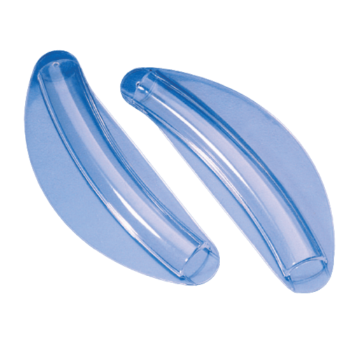
Nasal Splints are devices used to stabilize the nose after nasal surgeries and are usually made of plastic or silicone. The use of Splints varies according to the nose operation a person undergoes. There are two types of Splints: External and Internal Splints.

Types of Nasal Splints

What is an External Splint?

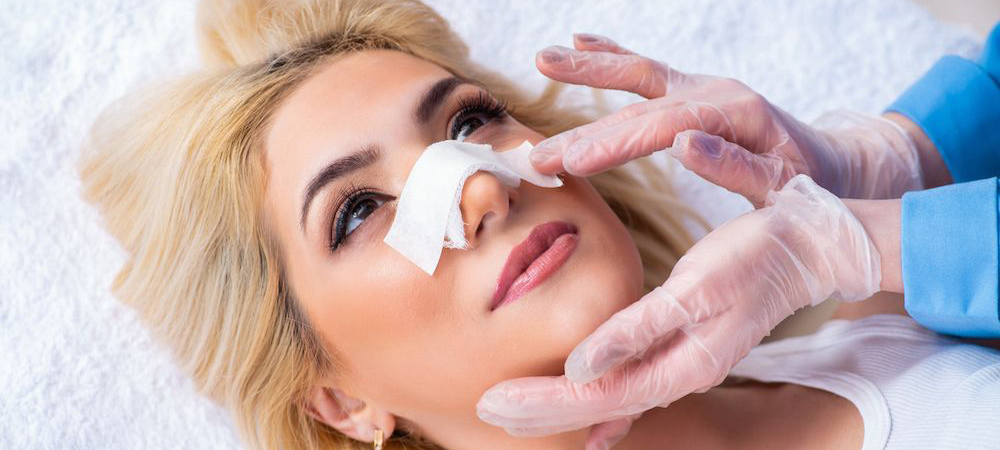
Rhinoplasty is one of the most common surgeries that require the use of External Splints. After the nose surgery, a flexible exterior nasal splint is placed over the nasal bandage. If the splint is required to grip the nose more firmly, it is also possible to place a bandage over the nasal splint.

The process after the rhinoplasty surgery is as important as the surgery itself. The form given to the nose should be preserved after surgery and swelling of the tissues should be prevented.

The form given to the nose should be maintained after surgery and swelling of the tissues should be prevented. For this reason, the quality of the Splints used after nose surgeries is quite important. It can be a bad scenario for both the surgeon and the patient if the nose, which gains its ideal form quite laboriously, is distorted due to the effect of oedema during the healing period, and if the grafts or nasal bones slip out of place. Patented by the Turkish Patent Office, TAS Nasal Splint offers personalized use thanks to its adjustable medical elastic bandage structure. You can access the details about our patented product, which is manufactured through innovative approaches and whose effectiveness is proven in clinical studies, on the page titled TAS Patented Nasal Splint.

internal-nose-splint

What is an Internal Splint?

After a nose surgery that requires the use of an internal splint, an internal splint will be placed in both nostrils. And, the splint will be fixed to the nostril with the help of sutures.

At the end of the healing process, the splint can be removed together with the sutures.

What Is A Nasal Splint Used For?

The use of each type of splint, whose main purpose is to keep the bones and cartilages in the nose stable, is different from each other.

The Internal Nasal Splint is applied to the nostrils and fixed with the help of sutures. The External Nasal Splint is worn on the outside of the nose and fixed to the nose by means of medical tapes.

Splints, also known as Nasal Splints, are used to stabilize the newly operated nasal tissue and to protect the nasal structure during the healing process.

After Which Type Of Surgeries Are Nasal Splints Used?

Nasal Splints can be used after various nasal operations. The following operations can be presented as examples of these nose surgeries:

  • Septoplasty
  • Sinus Surgery
  • Nasal Fracture Surgery

When Should A Nasal Splint Be Removed?

A nasal splint is removed after approximately 1 week to 10 days, depending on the nature of the operation.

Nasal Tampon

The procedure of applying sterile cotton or gauze patch to both nostrils after nose surgeries (rhinoplasty) is called nasal tamponade. The application of a nasal tampon is applied in order to absorb blood or fluid that may come out of the nose.

Types of Nasal Tampons

Nasal tampons to be applied after nose surgeries may vary according to the needs. Nasal tampons can be preferred according to the material and the needs. The types of nasal tampons are as follows:

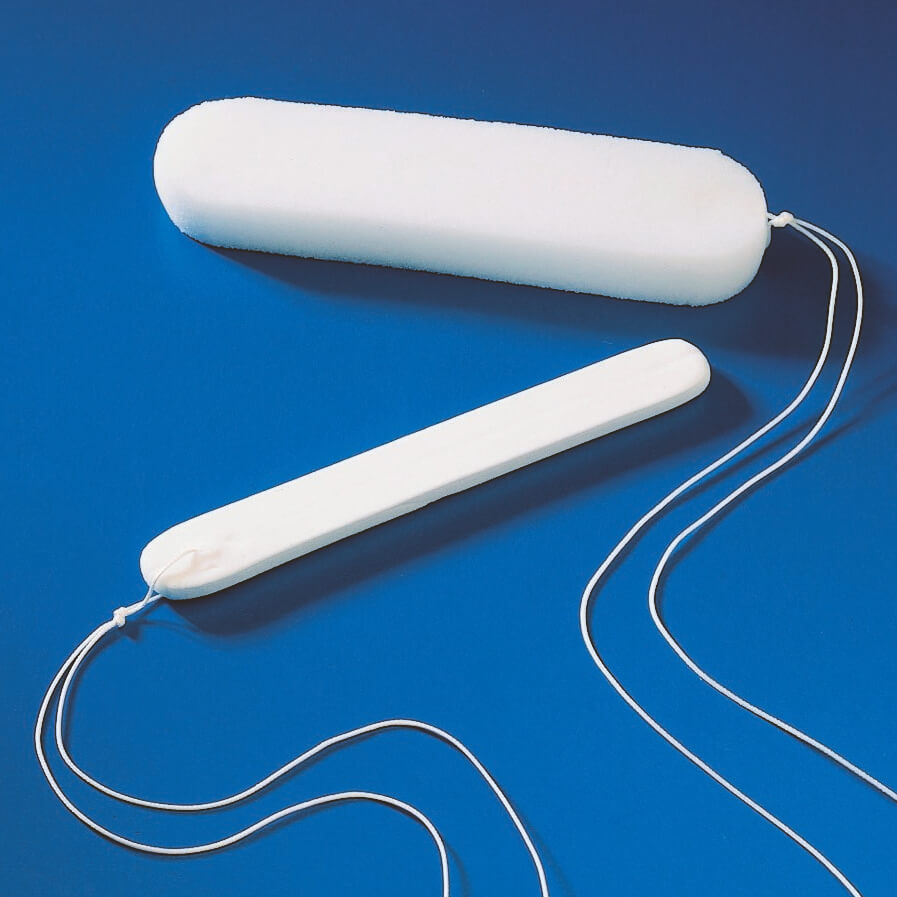
Sponge Nasal Tampons

The Sponge Nose Tampons have some advantages. Sponge Nasal Tampons do not dissolve, swell quickly, do not adhere to tissues and provide absorption of leaks due to bleeding. This type of nasal tampon which is obtained from a special type of sponge can be kept inside the nose for 2-3 days.


Silicone Nasal Tampons

Silicone Nasal Tampon is one of the most preferred nasal tampons. This type of nasal tampon, also known as a perforated nasal tampon, made of silicone material, helps the patient breathe and keeps the movements of anatomical structures under control. Silicone nasal tampons are usually kept in the nose for 3-5 days.


Corrugated Nasal Tampons

A Corrugated Nasal Tampon is a type of tampon obtained by combining silicone and intranasal tampons.

Sponge Nasal Tampons

The Importance of Using Tampons After Rhinoplasty

The use of nasal tampons makes the post-rhinoplasty period quite easy. We can summarize the importance of nasal tampons in terms of rhinoplasty as follows:

  • The use of tampons after rhinoplasty accelerates the healing process and eliminates the risk of adhesions.
  • Nasal tampons help to stop bleeding and leakage of fluids that may occur after surgery.
  • They are recommended because they do not pose any risks.

When Are Nasal Tampons Required?

The use of tampons after rhinoplasty is at the discretion of the operating surgeon. Nasal tampons are usually used when bleeding does not stop and fluid continues to come out.

When Should a Nasal Tampon Be Removed?

The time to remove the nasal tampon after a nose surgery varies according to the patient and the nature of the operation. In some nasal operations, the nasal tampon stays inside the nose for 12 to 24 hours; in some cases, it can be removed just after 4 hours.

Is it Painful When Splints and Tampons Are Being Removed?

The biggest source of the fear of rhinoplasty is the fear of pain in the after-surgery period. The gauze patch used after rhinoplasty can often cause a feeling of pain due to its adhesion to the wounds. However, the silicone tampons used nowadays do not adhere to the nasal tissue and can be easily removed painlessly after the completion of the treatment. In addition, because of the hole in the middle, silicone nasal tampons, it is easier to breathe after surgeries compared to other tampons.

Is It Possible to Breathe When a Nasal Tampon is Used?

Depending on the type of nasal tampons used after nose surgery, your breathing quality may vary during the course of the process. While it was very difficult to breathe with the use of old-fashioned bandages, you can breathe comfortably thanks to silicone nasal tampons.

Matters to Consider After a Nasal Tampon is Removed?

After the tampons are removed, the inside of the nose should be cleaned twice a day by using cotton buds and water. You should be careful not to insert the cotton buds too deep into your nostril.

Frequently Asked Questions About Splint and Tampon Use

Does it hurt to sneeze when a tampon is placed inside your nose?

Sneezing is a natural phenomenon and does not affect your nose or tampon after surgery. In addition, you should avoid any impact on your nose after nose surgery.

Can a nasal tampon get blocked?

Intense leakage after rhinoplasty and neglecting the use of intranasal sprays can cause your nasal tampon to get blocked. In such cases, you should consult your doctor.

Does the use of tampons affect sleep order?

In the postsurgical period, the breathing problem you might experience due to the tampon may affect your sleep order. Moreover, thanks to the hole in the middle of the new generation silicone tampons, breathing is easier than with conventional tampons. And, your postsurgical sleeping problems are minimized.

Are tampons used during rhinoplasty uncomfortable?

The presence of intranasal tampons causes a feeling of fullness in the nose, but they do not cause pain.  Intranasal tampons do not cause any discomfort on their own.

Should the nasal massage be applied after the splint is removed?

You may be told to lightly massage your nose after nose surgery. After the splints and tampons placed in the nasal area are removed after the operation, nasal massage can be started.

Are there tampons that can dissolve?

Some tampons can dissolve. The dissolving tampons, which can be used in nasal surgeries that require mild intervention, can be used due to the absence of the need for tampon removal.

Can a nasal tampon be cleaned?

Your doctor may prescribe sprays or creams that will prevent the nasal tampons from being blocked after nasal surgeries. They can be cleaned in this way.

What should I do if the nasal splint comes out by itself?

After nose surgeries, the Nasal Splint may rarely fall off the nose. This is because the skin of the nose is oily and the swelling goes down. If this happens, you should not worry and should inform your doctor.

Smoking and Alcohol Consumption After Rhinoplasty

Smoking and Alcohol Consumption After Rhinoplasty

Among the issues that people who want to have rhinoplasty, often wonder about are smoking and alcohol consumption after rhinoplasty. Also as per the American society of plastic surgeons, smoking is harmful if you’re planning Rhinoplasty and you are also not falling on the list of best candidates.

Why You Shouldn’t Smoke and Drink Alcohol After Rhinoplasty?

After every surgery, there are issues that patients should pay attention to after rhinoplasty. One of them is not to smoke or drink alcohol after rhinoplasty surgery. One of them is not to smoke or drink alcohol after rhinoplasty. This is for making the recovery process the healthiest and the fastest way for the person who had rhinoplasty.

Rhinoplasty is performed in two ways. In rhinoplasty which is performed by open technique, an incision is made on the outside of the nose. In rhinoplasty which is performed with the closed technique, to not leave any slightest scar on the nose, incisions are not performed from outside the nose, they are performed through the nose. In other words, there is an incision procedure for rhinoplasty in any case. Smoking and alcohol consumption delay the healing process of swelling, bruises, and edema in rhinoplasty which was performed with incisions. Consequently, the time of getting the final shape of the nose will be extended.

The Harms of Smoking After Nose Surgery

As is known, a tampon is placed inside the nose after rhinoplasty. Smoking after rhinoplasty puts pressure on the nose through the smoke at this point. This can cause health problems such as cracking and tearing of capillaries. Also, any other similar problems like these; are among the possibilities for smokers after rhinoplasty. Consequently, you should not be exposed to cigarette smoke either actively or passively after rhinoplasty. When it comes to alcohol consumption, there is also a similar prohibition for it after rhinoplasty. Some of the main reasons for this are; Alcohol consumption causes vasodilation, water retention in the body, and dryness of the skin. This both makes the immune system weak and delays the recovery of edema.

How Long You Should Avoid Smoking and Alcohol Consumption After Rhinoplasty Surgery?

In the previous part of our article, we explained in detail the reasons why smoking and alcohol should not be consumed after rhinoplasty. Now; We can answer the question, “How long smoking and alcohol consumption should be avoided after rhinoplasty?” After rhinoplasty, the patient should not smoke at all. Similarly; During this period, the patient should not be exposed to passive smoking too in any way. The patient should completely remove smoking from his life. ”How many days after rhinoplasty can alcohol be consumed?” When it comes to the answer to the question, the time is a little more limited at this point. You should not consume alcohol for 2 weeks after the surgery. After that, you can start consuming alcohol slowly without going overboard. With all these, the times we give are the general average. Your aesthetic doctor will inform you about the final decision about this. We have come to the end of our blog post about smoking and alcohol use after rhinoplasty. We hope our article was useful for you. We would like to remind you that you can contact TAS Aesthetic Surgery Center at +90 532 056 3693 if you have any questions about smoking and alcohol consumption after rhinoplasty or rhinoplasty in general; We wish you a healthy day.

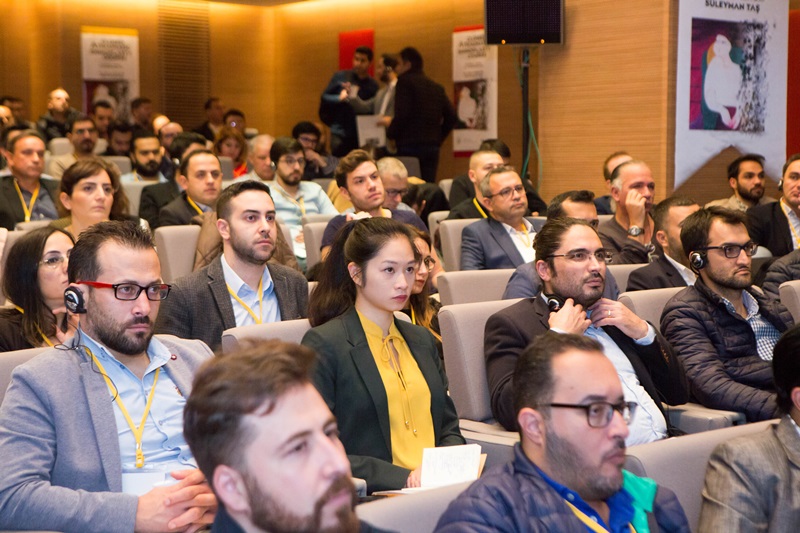
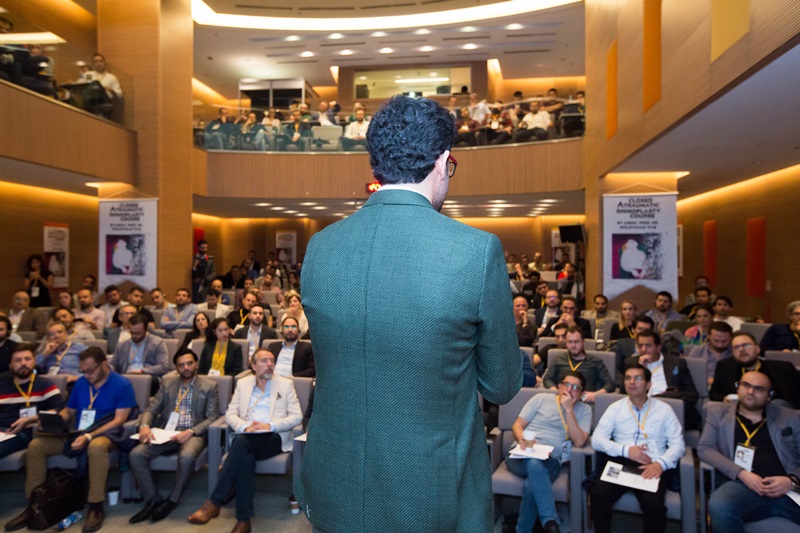
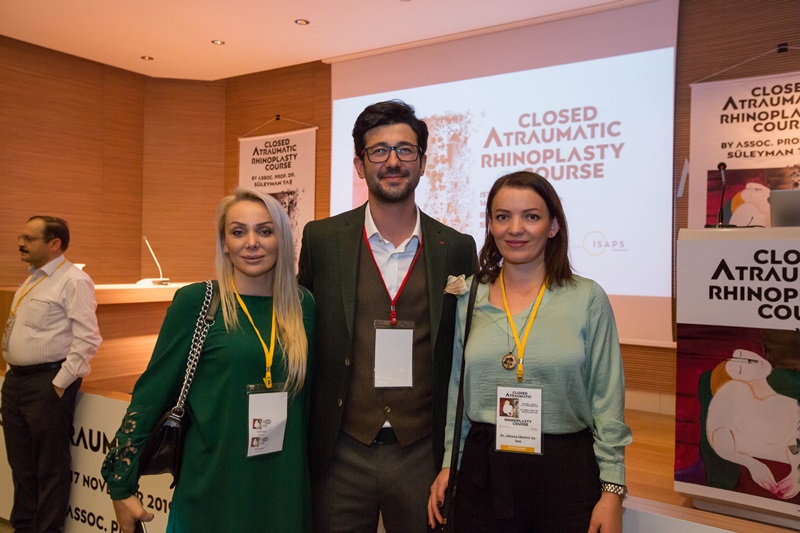
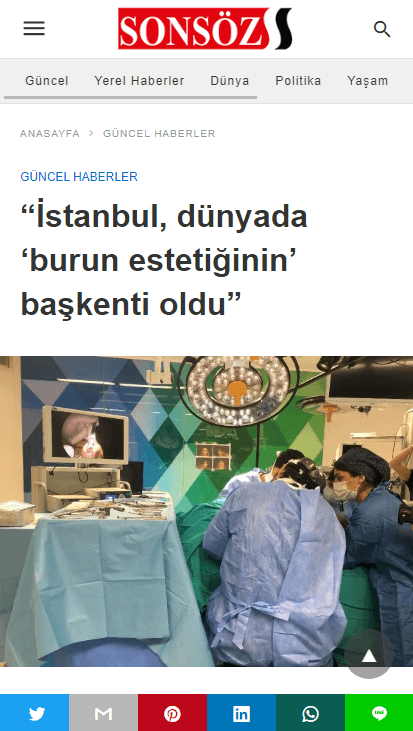
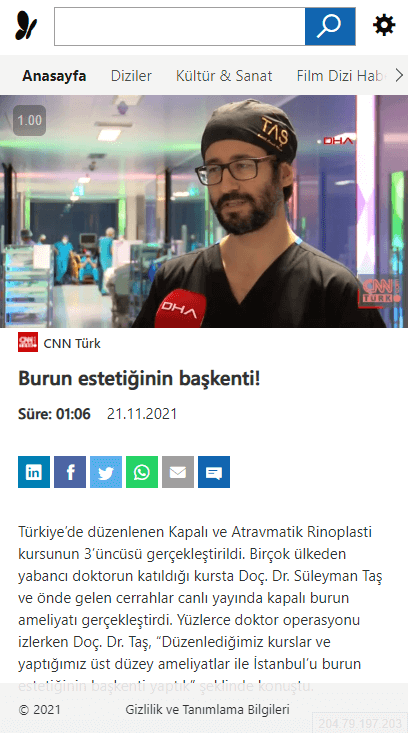
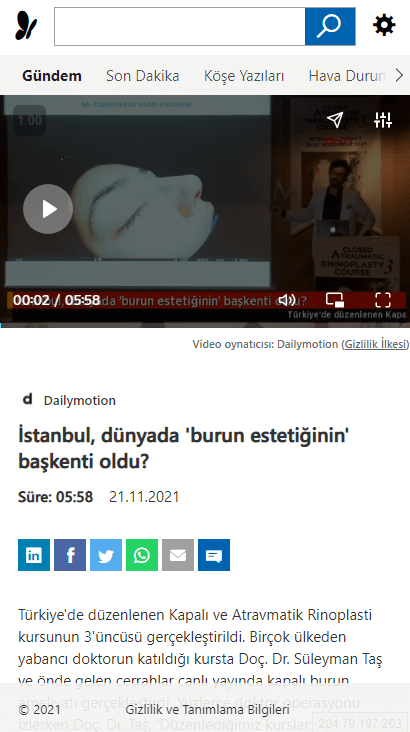
First closed atraumatic Rhinoplasty course

Closed Atraumatic Rhinoplasty Course | 2019

Assoc. Prof. Dr. Suleyman TAS | Closed Atraumatic Rhinoplasty Course
16-17 November 2019
Istanbul, Turkey

Welcome

Assoc. Prof. Dr. Suleyman TAS invites you to the Closed Atraumatic Rhinoplasty Course in Istanbul, TURKEY, from 16-17 November 2019.

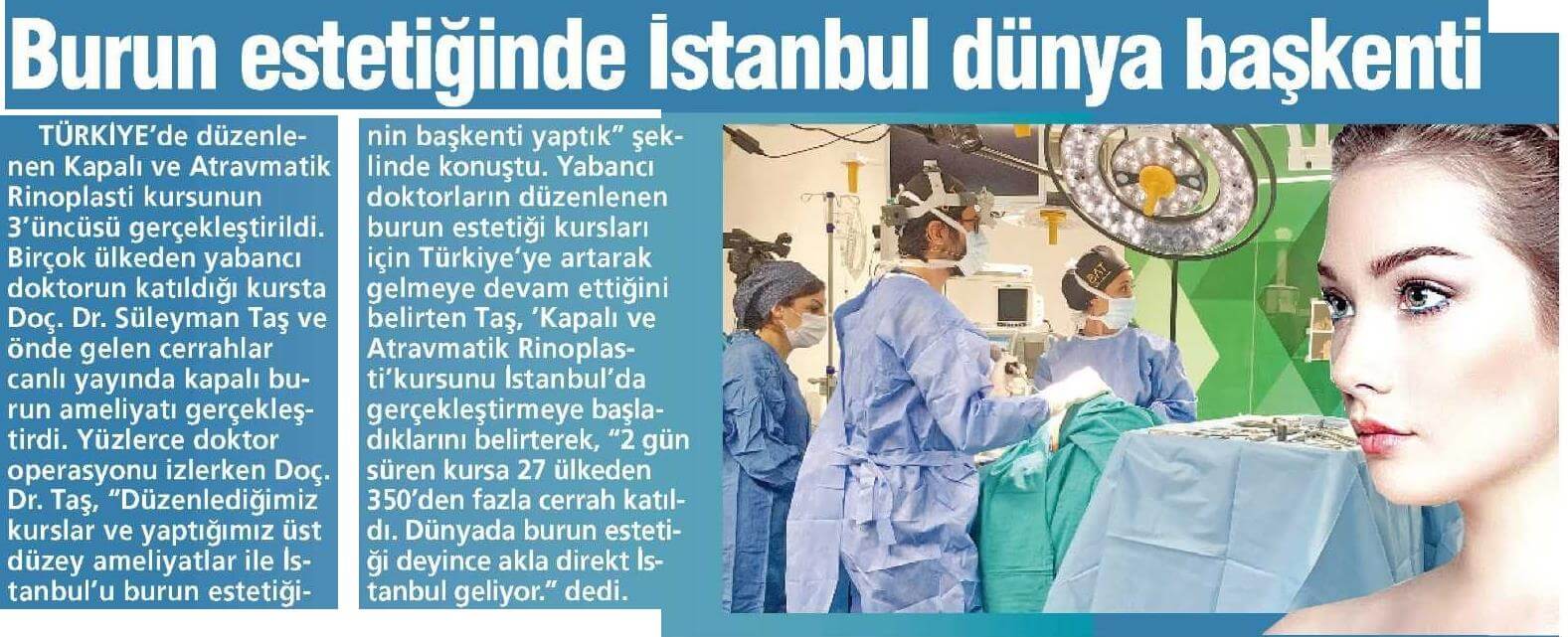
The program has been designed with best-in-class lectures from Assoc.Prof. Dr. Suleyman TAS. Dr. TAS’s innovative and latest techniques of Closed Rhinoplasty will be given during a 2-day scientific and surgical program. Participants will find theory-to-practice opportunities about Closed Atraumatic Rhinoplasty.
Additionally, in the program Live Closed Atraumatic Rhinoplasty will be performed by Assoc.Prof. Dr. Suleyman TAS. The program touches on all surgeons dealing with patients seeking rhinoplasty.

Looking forward to meeting you in Istanbul, TURKEY in November 2019!

Faculty


Assoc.Prof. Dr. Suleyman TAS

 Scientific Program

16 November 2019 (SATURDAY)

1st SESSION: CLOSED & ATRAUMATIC TECHNIQUE
07:00 Opening Ceremony
07:10-07:20 Closed & Atraumatic Rhinoplasty
07:20-07:30 Why I always prefer Closed Technique in Rhinoplasty
07:30-07:40 Questions & Answers Section
07:40-07:50 Surgical Anatomy of the Nose
07:50-08:00 Analysis for Closed Rhinoplasty
08:00-08:10 Room Concept
08:10-08:20 Questions & Answers Section
08:20-08:30 Patient evaluation for Closed Rhinoplasty
08:30-08:40 Photograph and Video Studio for Rhinoplasty
08:40-08:50 Planning the Closed Rhinoplasty
08:50-09:00 Questions & Answers Section
09:10-09:20 Local injection in Closed Rhinoplasty
09:20-09:30 Incisions for Closed Rhinoplasty
09:30-09:40 Dissection in Closed Rhinoplasty
09:40-09:50 Questions & Answers Section
09:50-10:00 Coffee Break
2nd SESSION: DORSUM
10:00-10:10 Dorsum surgery in Closed Rhinoplasty
10:10-10:20 Bone dust technique in Closed Rhinoplasty
10:20-10:30 Osteotomies
10:30-10:40 Questions & Answers Section
10:40-10:50 Push Down – Let Down – Fix Down Technique
10:50-11:00 Indications and Contraindications of Down Techniques
11:00-11:10 Solving the Problems of Down Techniques
11:10-11:20 Questions & Answers Section
11:20-11:30 Tip and Tricks for Fix Down Technique
11:30-11:40 Elimination of the Residual Hump in Down Techniques
11:40-11:50 Elimination of the Residual Deviation in Down Techniques
11:50-12:00 Questions & Answers Section
12:00-12:10 Dorsal Roof Technique
12:10-12:20 Maxilloplasty – Osteoplasty
12:20-12:30 What is the Radix Deviation and its treatment
12:30-12:40 Questions & Answers Section
12:40-12:50 What is the Crossed Nose Deformity and its treatment
12:50-13:00 What is the Crooked-Deviated Nose and its treatment
13:00-13:10 Questions & Answers Section
13:10-14:00 Lunch Break
14:00-18:00 Live Closed & Atraumatic Rhinoplasty
[/vc_column_text]

17 November 2019 (SUNDAY)

3rd SESSION: FUNCTIONAL
08:00-08:10 Septum and Chonca surgery in Closed Rhinoplasty
08:10-08:20 Ethmoid Grafting for severe septal deviations in Closed Rhinoplasty
08:20-08:30 Using Endoscopy in Closed Rhinoplasty
08:30-08:40 Questions & Answers Section
4th SESSION: NOSE TIP
08:40-08:50 Tip surgery in Closed Rhinoplasty
08:50-09:00 Superior Based Transposition Flap Technique
09:10-09:20 Anatomic Columellar Strut Grafting
09:20-09:30 Questions & Answers Section
09:30-09:40 Deep SMAS Suture Technique in Closed Rhinoplasty
09:40-09:50 Lateral Crural Flap Technique in Rhinoplasty
09:50-10:00 Management of the Soft tissue Envelop in Closed Rhinoplasty
10:00-10:10 SMASectomy
10:10-10:20 Questions & Answers Section
10:20-10:30 Coffee Break
5th SESSION: ALAR BASE
10:30-10:40 Alar Base surgery in Closed Rhinoplasty
10:40-10:50 Achieving the Symmetry in Vertical, Horizontal, and Sagittal Planes in Closed Rhinoplasty
10:50-11:00 Dissecting of the Levator Alaque Nasi Muscle
11:00-11:10 Questions & Answers Section
11:10-11:20 Dissecting of the Pyriform Ligament
11:20-11:30 Treatment of the Maxillary Hypoplasia
11:30-11:40 Dissecting of the Depressor Septi Nasi Muscle
11:40-11:50 Questions & Answers Section
11:50-12:00 Double Layer Grafting Technique
12:00-12:10 Utilizing of the Electrocautery in Rhinoplasty
12:10-12:20 Questions & Answers Section
12:20-13:20 Lunch Break
6th SESSION: REVISION RHINOPLASTY SURGERY
13:20-13:30 Revision surgery with Closed Rhinoplasty
13:30-13:40 Treatment of the Challenging Cases with Closed Rhinoplasty
13:40-13:50 Understanding and Treatment of the Saddle Nose Deformity
13:50-14:00 Questions & Answers Section
14:00-14:10 Using Rib Cartilage in Revision Surgery with Closed Rhinoplasty
14:10-14:20 Diced Cartilage Flap Technique
14:20-14:30 Regaining tip mobility in Revision Rhinoplasty
14:30-14:40 Treatment of the Upward Turned Noses with Closed Rhinoplasty
14:40-14:50 Questions & Answers Section
7th SESSION: SPECIAL PART
14:50-15:00 Surgical Instruments In Closed Rhinoplasty
15:10-15:20 Pearls and Pitfalls in Medical Rhinoplasty
15:20-15:30 Postop care
15:30-15:40 Questions & Answers Section
15:40-15:50 Coffee Break
15:50-16:00 Male Rhinoplasty
16:00-16:10 Female Rhinoplasty
16:10-16:20 Thick Skin Rhinoplasty
16:20-16:30 Questions & Answers Section
16:30-16:40 Thin Skin Rhinoplasty
16:40-16:50 Asian Rhinoplasty
16:50-17:00 Ethnic Rhinoplasty
17:00-17:10 Middle Eastern Rhinoplasty
17:10-17:20 Questions & Answers Section
17:20-18:00 Closing Ceremony

API key not valid. Please pass a valid API key.

TESTIMONIALS

API key not valid. Please pass a valid API key.

Media

API key not valid. Please pass a valid API key.


General Information

The course Language will be English.

Timing & Venue

Closed Atraumatic Rhinoplasty Course, will be organized on November 16&17, 2019 in Acıbadem Maslak Hospital Congress Room. Istanbul, TURKEY.

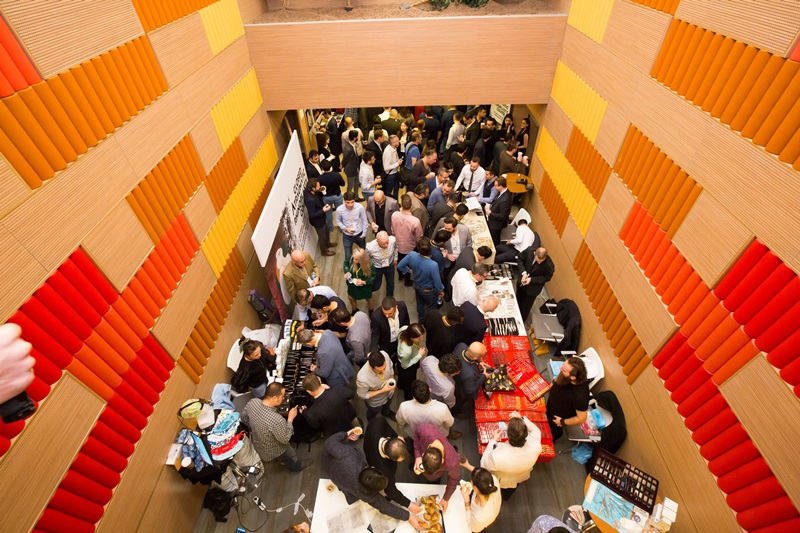
Social Program (Gala Night)

Below you may find details of the “Gala Night” for the Closed Atraumatic Rhinoplasty Course on November 16&17, 2019 in Istanbul, TURKEY.

Venue: Hilton Maslak Hotel, Roof Top
Date: 16 November 2019 Saturday
Time: 20:00 – 23:00
Menu: Appetizers, Snacks, Chips, Unlimited Alcohol
Participation Fee: 100 Euro

Contact Us

Phone/WhatsApp: +90 543 456 36 93
Deck Phone: +90 212 215 57 27
e-Mail: info@drsuleymantas.com

Rhinoplasty course 2020

Closed Atraumatic Rhinoplasty Course 2 | 2020

Assoc. Prof. Dr. Suleyman TAS | Closed Atraumatic Rhinoplasty Course 2
28-29 November 2020

Welcome

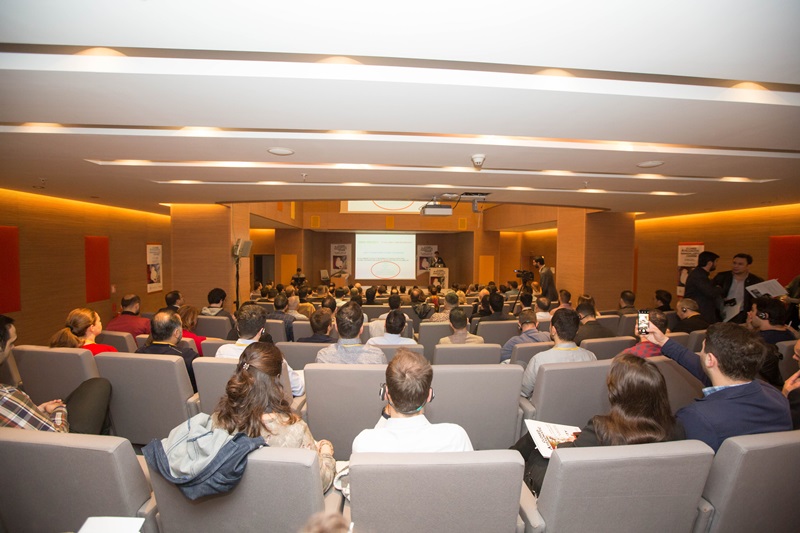
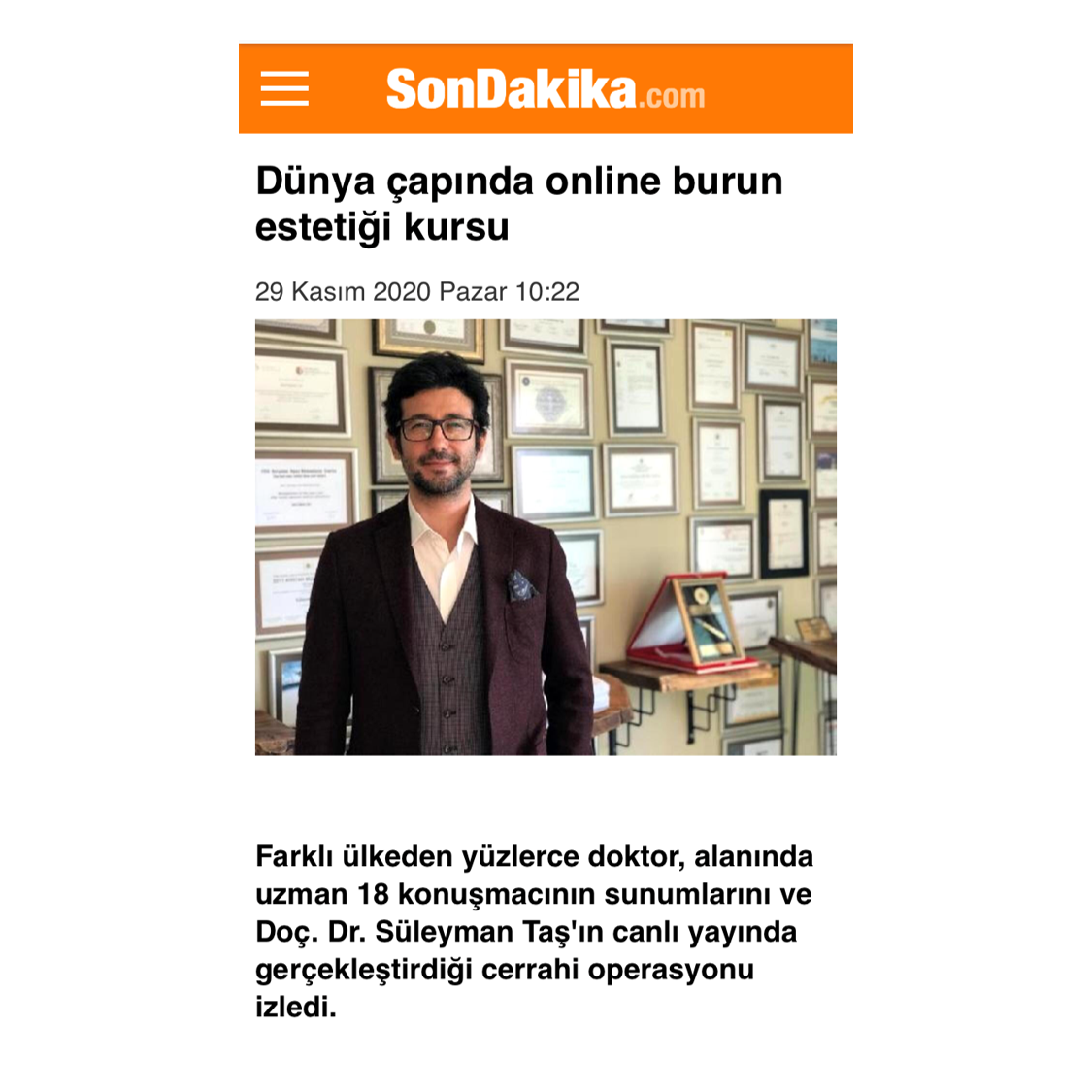
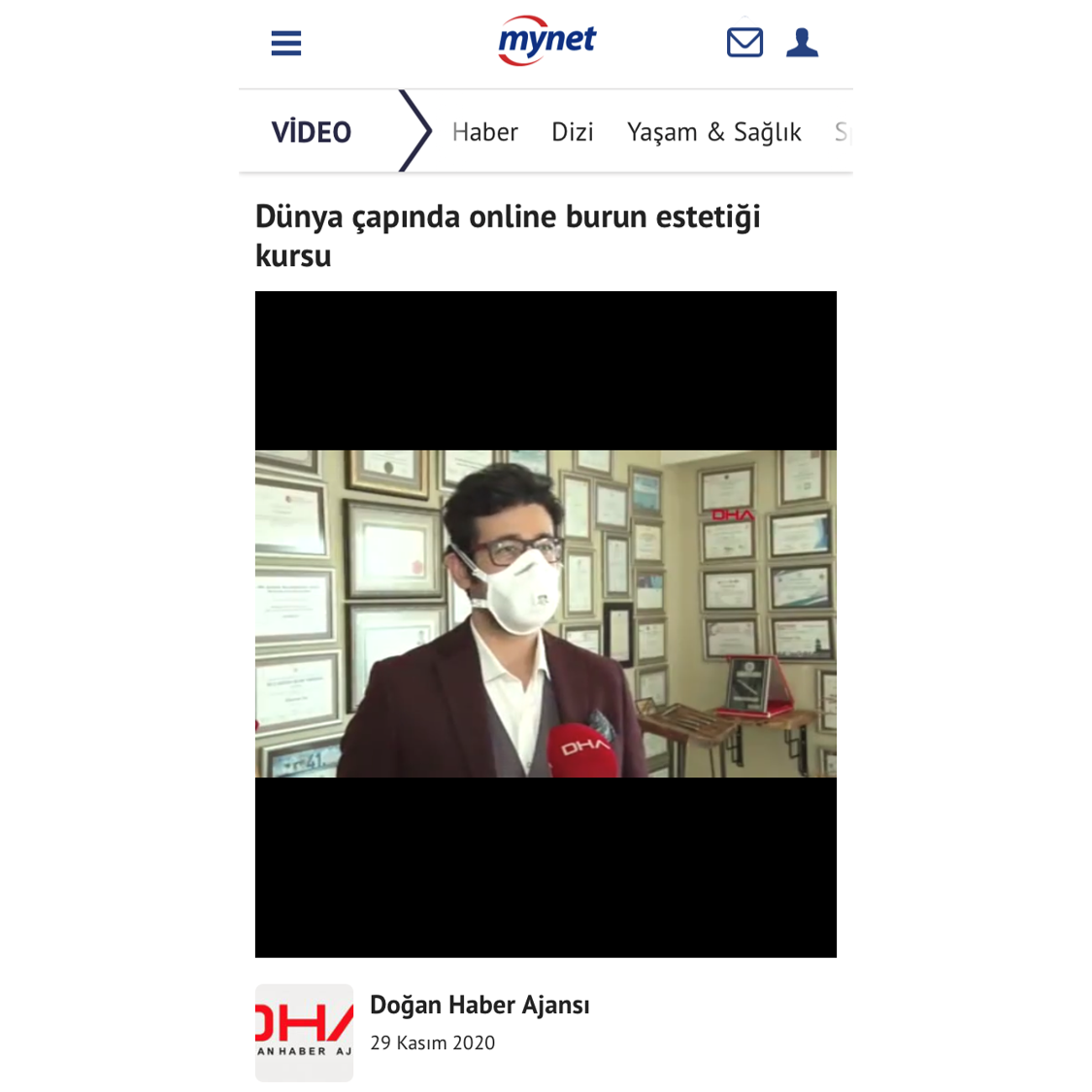
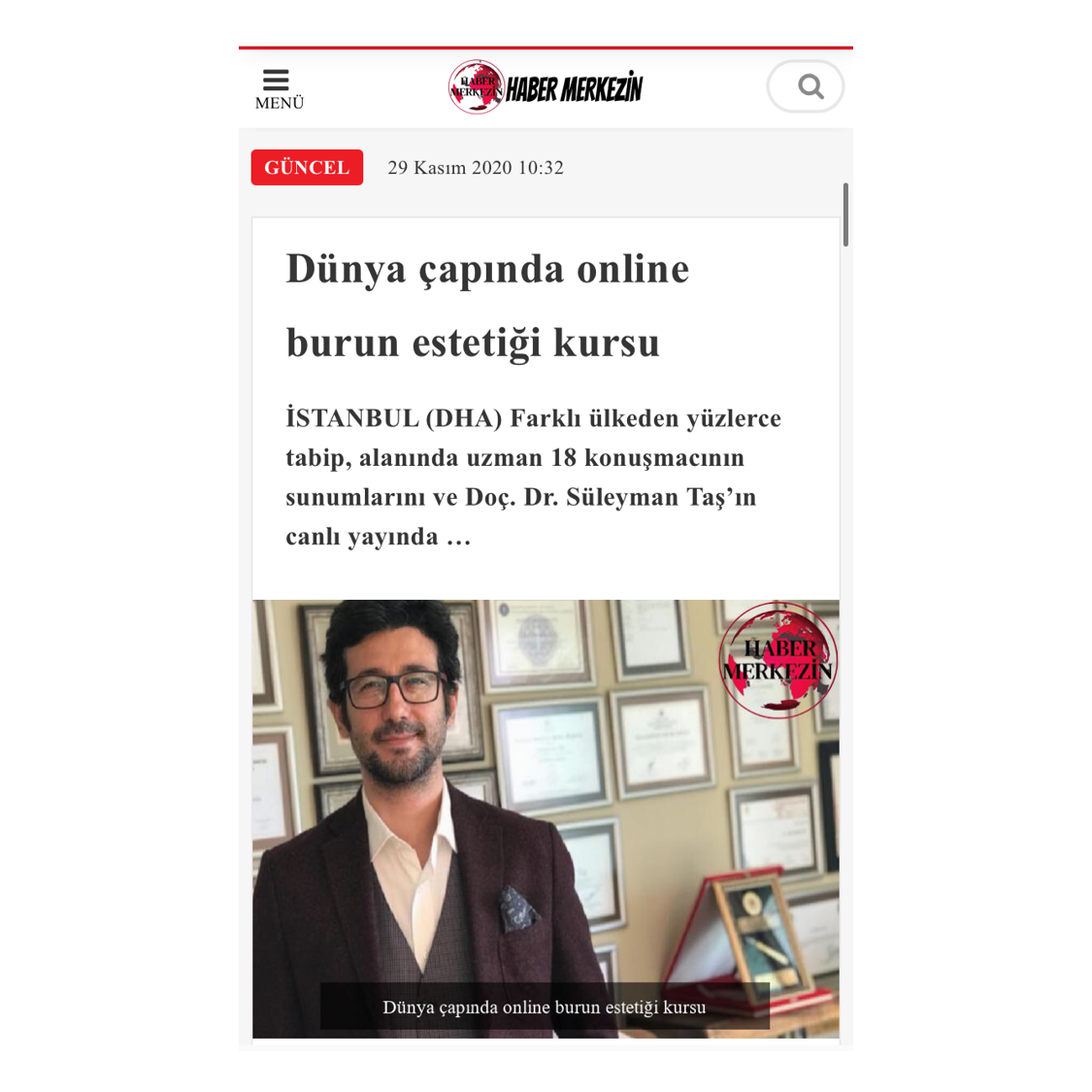
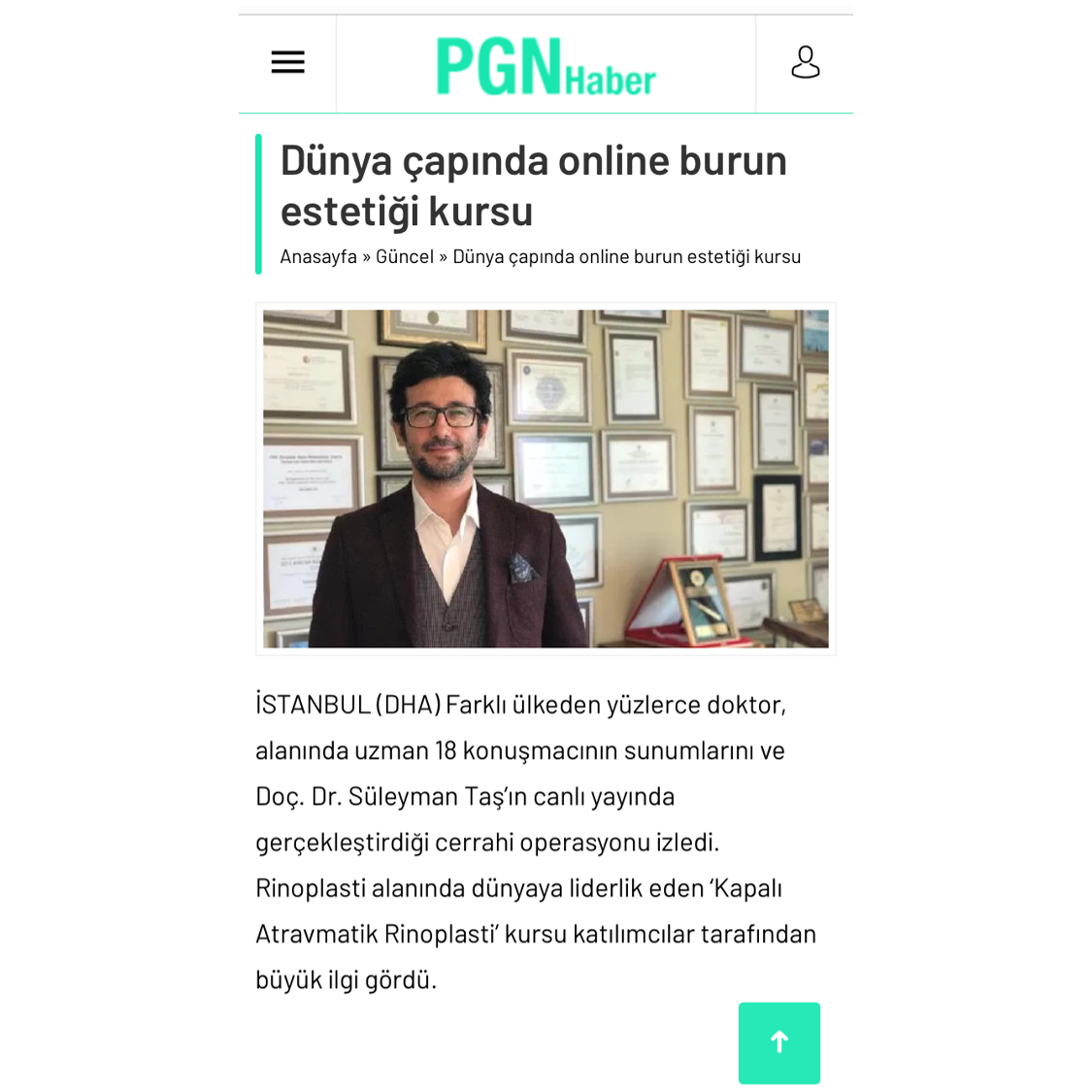
Assoc. Prof. Dr. Suleyman TAS invites you to the Closed Atraumatic Rhinoplasty Course 2 on 28-29th November 2020 in Istanbul, TURKEY.  The course will be an online scientific organization for your safety due to Covid 19 pandemic.

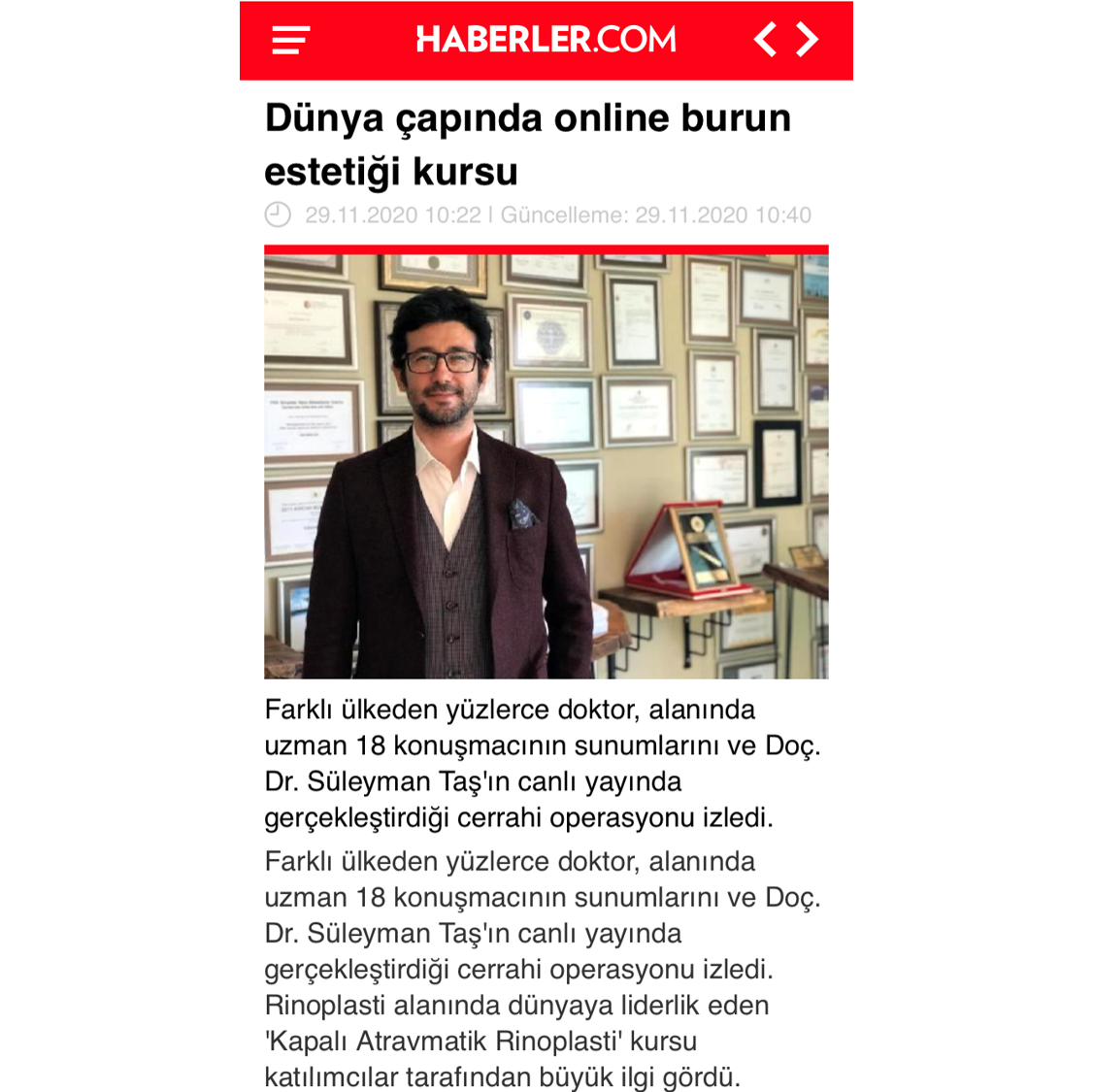
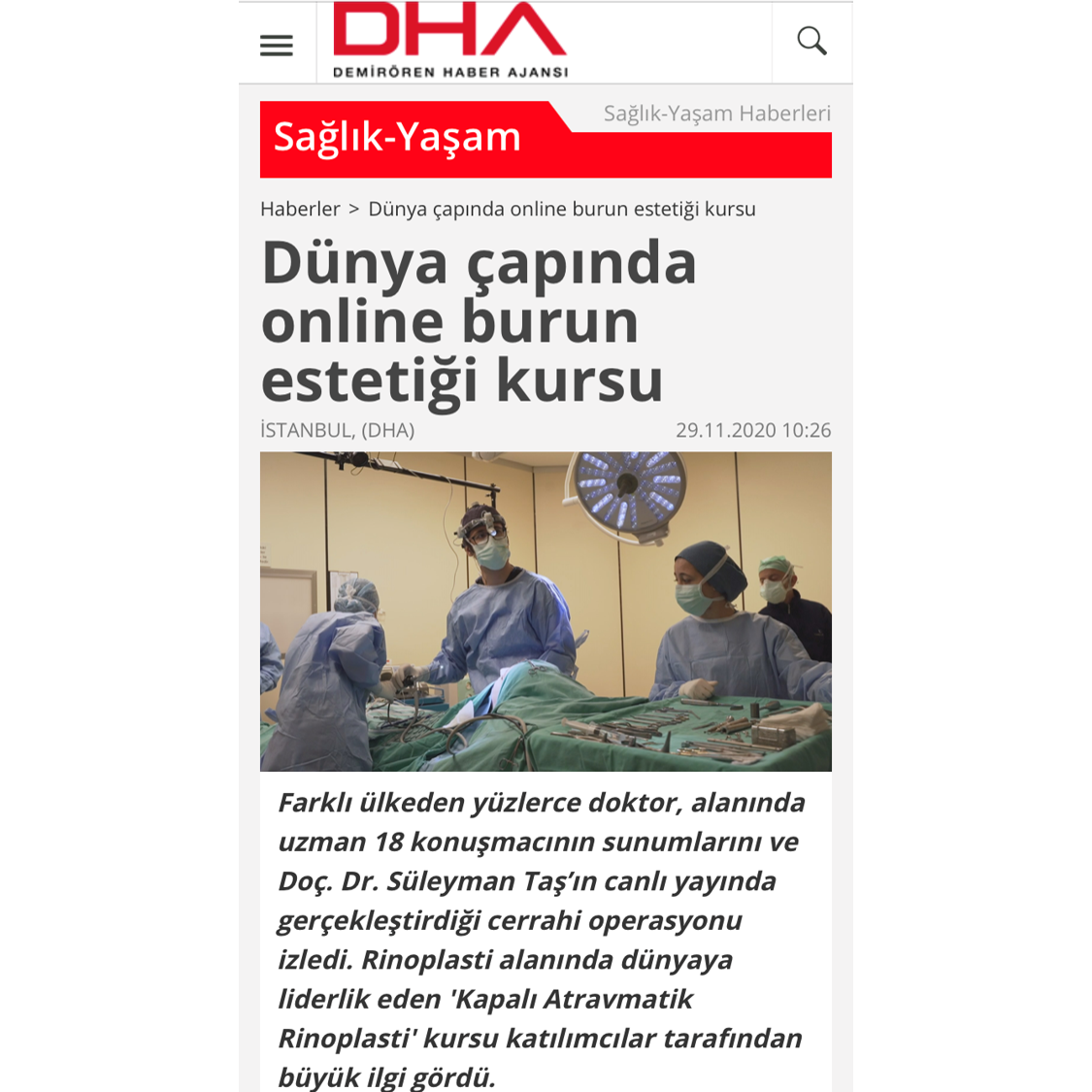
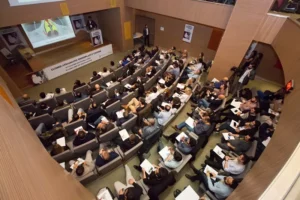
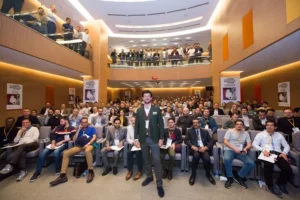
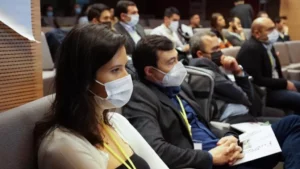
The course has been designed with best-in-class lectures and the latest techniques of Closed Rhinoplasty from 18 World renowned masters in a 2-day program. Participants can ask their questions during the lectures.

Additionally, Live Surgery will be performed by Dr. TAS in the program. All surgeons will benefit from this fantastic experience regardless of their level.

The formal language of the course will be English, and simultaneous translation will be available for Turkish and Russian language!

The scientific program has been endorsed by all prestigious aesthetic surgery societies;
1- American Society of Plastic Surgeons (ASPS)
2- International Society of Aesthetic Plastic Surgery (ISAPS)
3- The Rhinoplasty Society (American)
4- Rhinoplasty Society of Europe (RSE)

Don’t miss this global learning opportunity!

Looking forward to welcoming you to this online meeting on 28-29th November 2020!


Assoc.Prof. Dr. Suleyman TAS
The Chairman

Faculty


Scientific Program

28 November 2020 (SATURDAY)

11:00-11:10 Opening Ceremony

1st SESSION: CLOSED & ATRAUMATIC TECHNIQUE
ASSOC.PROF.DR. SULEYMAN TAS

11:10-13:10 Assoc.Prof.Dr.Suleyman Tas Closed Atraumatic Rhinoplasty
13:10-13:20                                                 Q & A
13:20-16:10 Assoc.Prof.Dr.Suleyman Tas Live Closed Atraumatic Rhinoplasty Surgery
16:10-16:20                                                 Q & A


2nd SESSION: MASTERCLASS
PROF.DR. PIETRO PALMA

16:20-16:30 Prof.Dr.Pietro Palma Changing trends of tip aesthetics. Time for changing surgeon’s paradigms?
16:30-16:40 Prof.Dr.Pietro Palma Making beautiful profiles. 4 points to consider.
16:40-16:50 Prof.Dr.Pietro Palma Customized diagnosis and various solutions for shaping the naso-Philtral junction.
16:50-17:00 Prof.Dr.Pietro Palma Revision rhinoplasty. If you think that the endonasal approach is unfit for revision rhinoplasty, you should listen to this presentation.
17:00-17:10 Prof.Dr.Pietro Palma How to successfully brand your rhinoplasty practice?
17:10-17:15                                                 Q & A


3rd SESSION: MASTERCLASS
PROF.DR. MARK B. CONSTANTIAN

17:15-18:15 Prof.Dr.Mark B. Constantian Lessons Learned from a Career in Rhinoplasty.
18:15-18:20                                                 Q & A

29 November 2020 (SUNDAY)

4th SESSION: HALF CENTURY EXPERIENCE

11:00-11:30 Prof.Dr. Onur Erol Before and after Turkish Delight
11:30-12:00
(will be 17:40-18:10
due to time zone)
Dr. Geoffrey W. Tobias Advanced Cartilage Grafting in Endonasal Tipplasty
12:00-12:30 Q&A

5th SESSION PERSONAL APPROACHES

12:40-13:00 Prof.Dr.Pietro Palma Finesse rhinoplasty: The next level of results requires the next level of thinking.
13:00-13:20 Prof.Dr.Mehmet Bayramicli Preservation Rhinoplasty
13:20-13:40 Prof.Dr.Erol Benlier – Dr. Daghan Dagdelen Rhinoplasty: Personal Approach
13:40-14:00 Prof.Dr.Reha Yavuzer The Impact of Alar Base Procedures
14:00-14:10                                                 Q & A

6th SESSION HOLISTIC APPROACHES

14:10-14:30 Dr.Yakup Avsar Visualization Capacity in Closed Approach Septorhinoplasty
14:30-14:50 Prof.Dr.Atilla Arinci Legal Responsibilities and Consent Forms in Rhinoplasty
14:50-15:10 Prof.Dr.Daniel àWengen Stabilization of Soft Tissue Structures of the Nose with Titanium Implants
15:10-15:30 Dr.Naci Celik A holistic approach to face in Rhinoplasty Patients
15:30-15:40                                                 Q & A


 7th SESSION CONTEMPORARY APPROACHES

15:40-16:00 Prof.Dr.Mehmet Veli Karaaltin The impact of 3D Bio-printer Technology and In-vivo Tissue Engineering in Rhinoplasty
16:00-16:20 Dr.Emre Ilhan Why do I prefer the Open Technique?
16:20-16:40 Assoc.Prof.Dr.Haldun Kamburoglu Management of Deviated Nose
16:40-17:00 Assoc.Prof.Dr.Erdem Guven Medical Rhinoplasty
17:00-17:20 Prof.Dr.Kirill Pshenisnov The Role of Medial SMAS and Pitanguy Ligament in Atraumatic Rhinoplasty
17:20-17:40 Dr.Alexander Kuzanov How to Avoid Secondary Rhinoplasty: Principles of Structural Rhinoplasty
17:40-18:10 Dr.Geoffrey W. Tobias Advanced Cartilage Grafting in Endonasal Tipplasty
18:10-18:30                                                 Q & A
18:30-18:40 Closing Ceremony

API key not valid. Please pass a valid API key.

API key not valid. Please pass a valid API key.

General Information

The formal language of the course will be English, and simultaneous translation will be available for Turkish and Russian language!

Timing & Venue

Closed Atraumatic Rhinoplasty Course II will be organized on November 28&29, 2020 in Istanbul, TURKEY. The meeting will be online.


CANCELLATION AND REFUND POLICY

•      50% of payment will be refunded if cancellation is made before September 01, 2020

•      No refund will be made for cancellations made on or after September 01, 2020

•      All cancellation refunds will only be made after the congress

Contact Us

Phone/WhatsApp: +90 543 456 36 93
Deck Phone: +90 212 215 57 27
e-Mail: info@drsuleymantas.com


[/vc_column][/vc_row]
Rhinoplasty course 2021

Closed Atraumatic Rhinoplasty Course 3 | 2021

Assoc. Prof. Dr. Suleyman TAS | Closed Atraumatic Rhinoplasty Course 3
20-21 November 2021
Istanbul, Turkey

Welcome

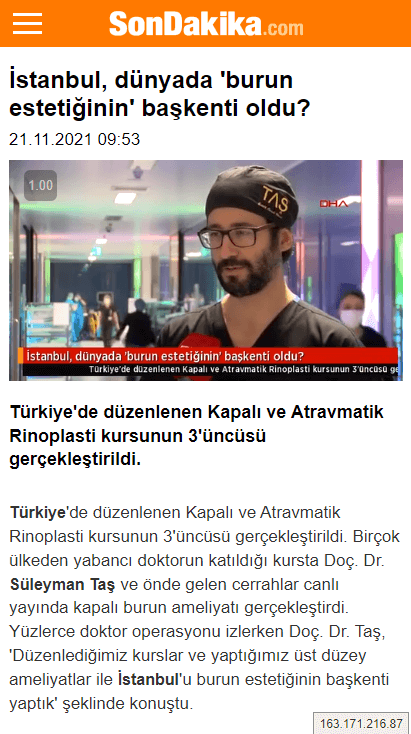
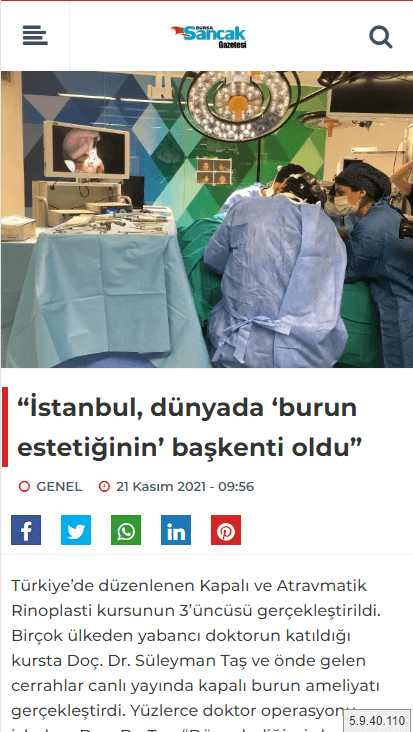
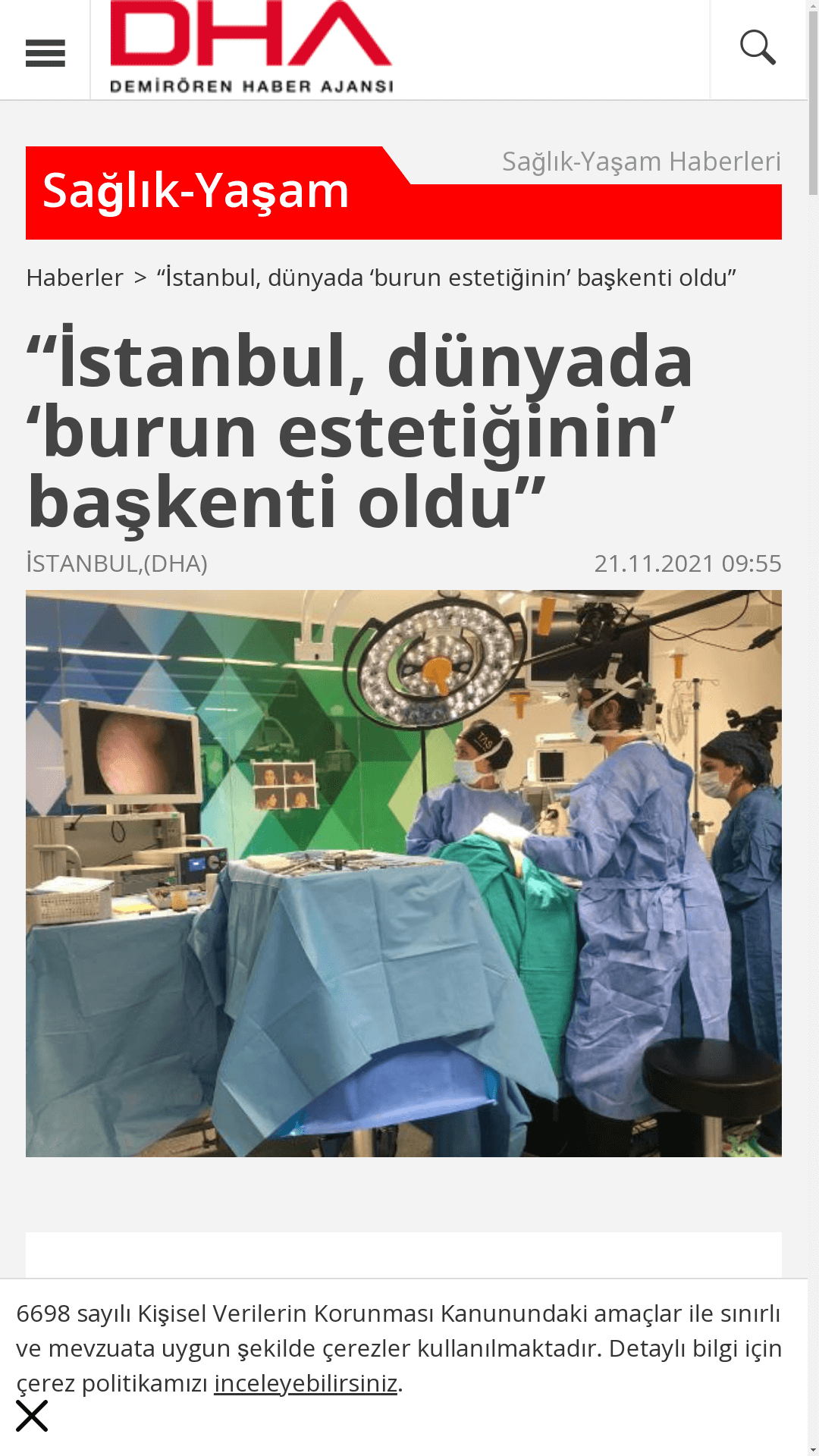
Assoc. Prof. Dr. Suleyman TAS invites you to the Closed Atraumatic Rhinoplasty Course 3 on 20-21th November 2021 in Istanbul, TURKEY.

The annual course has been designed with best-in-class lectures and the latest techniques of Closed Rhinoplasty in a 2-day program. Participants can ask their questions during the lectures.

Additionally, 5 Live Surgery will be performed and so many master classes including tips and tricks by World Renowned Faculties in the program. All surgeons will benefit from this fantastic experience regardless of their level.

The formal language of the course will be English!

Don’t miss this global learning opportunity!

Looking forward to welcoming you to this online meeting on 20-21th November 2021!

Best Plastic Surgeon Turkey Dr suleyman Tas

Assoc.Prof. Dr. Suleyman TAS
The Chairman

Faculty


Scientific Program

20 November 2021 (SATURDAY)

07:00-08:00 Opening Speech
08:00-09:00 Dr. Suleyman Tas My Tips and Tricks
09:00-11:00 Dr. Suleyman Tas Live Surgery
11:00-12:00 Dr. Ramtin Kassir My Tips and Tricks
12:00-14:00 Dr. Ramtin Kassir Live Surgery
14:00-16:00 Dr. Onur Erol Live Surgery

21 November 2021 (SUNDAY)

08:30-09:30 Dr. Kirill Pshenisnov My Tips and Tricks
09:30-11:30 Dr. Kirill Pshenisnov Live Surgery
11:30-12:30 Dr. Yakup Avşar My Tips and Tricks
12:30-14:30 Dr. Yakup Avşar Live Surgery
14:30-15:00 Dr. Mehmet Veli Karaaltın 3D Biogenic Rhinoplasty
15:00-15:30 Dr. Can Ercan How my practice changed after Closed Atraumatic Technique
15:30-16:00 Dr. Erdem Guven Medical Rhinoplasty
16:00-16:20 Dr. Atilla Arinci Legal Responsibilities and Consent Forms in Rhinoplasty
16:20-17:00 Closing Ceremony


Gallery


Testimonials of Closed Atraumatic Rhinoplasty Course 2021

API key not valid. Please pass a valid API key.

General Information

The formal language of the course will be English! The chairman of the course is Dr. Suleyman TAS. The moderator of the course is Dr. Erdem Guven.

Timing & Venue

Closed Atraumatic Rhinoplasty Course 3 will be organized on 20&21 November 2021 in Istanbul, TURKEY. The course will be held at Acibadem Maslak Hospital. The meeting will be both offline and online available.

CANCELLATION AND REFUND POLICY

•      50% of payment will be refunded if cancellation is made before September 01, 2021

•      No refund will be made for cancellations made on or after September 01, 2020

•      All cancellation refunds will only be made after the congress

Contact Us

Phone/WhatsApp: +90 543 456 36 93
Deck Phone: +90 212 215 57 27
e-Mail: info@drsuleymantas.com

Address: TAS Aesthetic Surgery Clinic, Tesvikiye Mah. Hakki Yeten Cad. No: 11 Terrace Fulya Center 1 Apt. No: 97 Sisli / Istanbul / TURKEY


Massage After Rhinoplasty

As TAS Aesthetic Surgery Center, we discuss the topic of massage after rhinoplasty in the blog post we prepared this week. Nose massage, which is one of the care recommendations that people who have had rhinoplasty should do after the surgery, is of great importance. After removing the cast on the nose and the tampons in the nose, a massage should be performed in accordance with the recommendation of your doctor.

How Massage Should Be Performed After Rhinoplasty?

The nose skin can be gently cleaned with a mild soap or skin care lotions with vaseline. Care must be taken during this cleaning. Massage should be done on the nose for 20 minutes a day regularly and effectively for 2 months. The importance of the massage is that it activates the facial lymphatics through circulation. In this way, the lymphatic flow in the nose is accelerated and the swelling – edema formation on the nose is minimized. These swellings – edemas which are minimized positively affect the healing process. However, the patient should not apply any massage he sees on the internet. Since the procedure for each patient is different, massage can also be personalized. It should be done with the advice of your doctor and the doctor’s recommendations should be taken into account. There are many care suggestions apart from the massage that should be done after the rhinoplasty. We can list these maintenance recommendations item by item as follows;

Care Recommendations After Rhinoplasty

  • The patient who had rhinoplasty surgery should lie at home with his head elevated for 1 week after discharge, as it will reduce the swellings.
  • Lying on your side and lying face down is prohibited.
  • Blowing your nose, straining, coughing, bending over – getting up, lifting a heavy load – carrying should not be done as they will increase the risk of bleeding.
  • Foods that require effort to chew, also the ones which require long and hard chewing should be avoided.
  • Salt restriction should be made as it will shorten the dissipation process of swellings from the body.
  • Protein-rich foods should be consumed.
  • You should rest more than usual and activities that require you to exert effort, such as sexual intercourse, should be avoided for 2 weeks.
  • Excessive and long speeches and excessive facial movements such as laughing should be avoided for 2 weeks.
  • Clothes that are buttoned from the front or back should be worn for 2 weeks. Avoid tight-fitting T-shirts and stand-up collar clothes that are worn over the head.
  • Sports such as yoga, pilates, and fitness should be avoided for 8-10 weeks.
  • It is forbidden to use prescription glasses or sunglasses that fit the nose for at least 8 weeks.
  • Contact lenses can be used 2-3 days after the operation.
  • Make-up can be worn after the cast and tampons are removed.
  • We have come to the end of the blog post we created for your questions about massage after rhinoplasty surgery.
  • If there is anything you want to consult us about it, you can contact us at +90 532 056 3693.
WordPress Image Lightbox Plugin